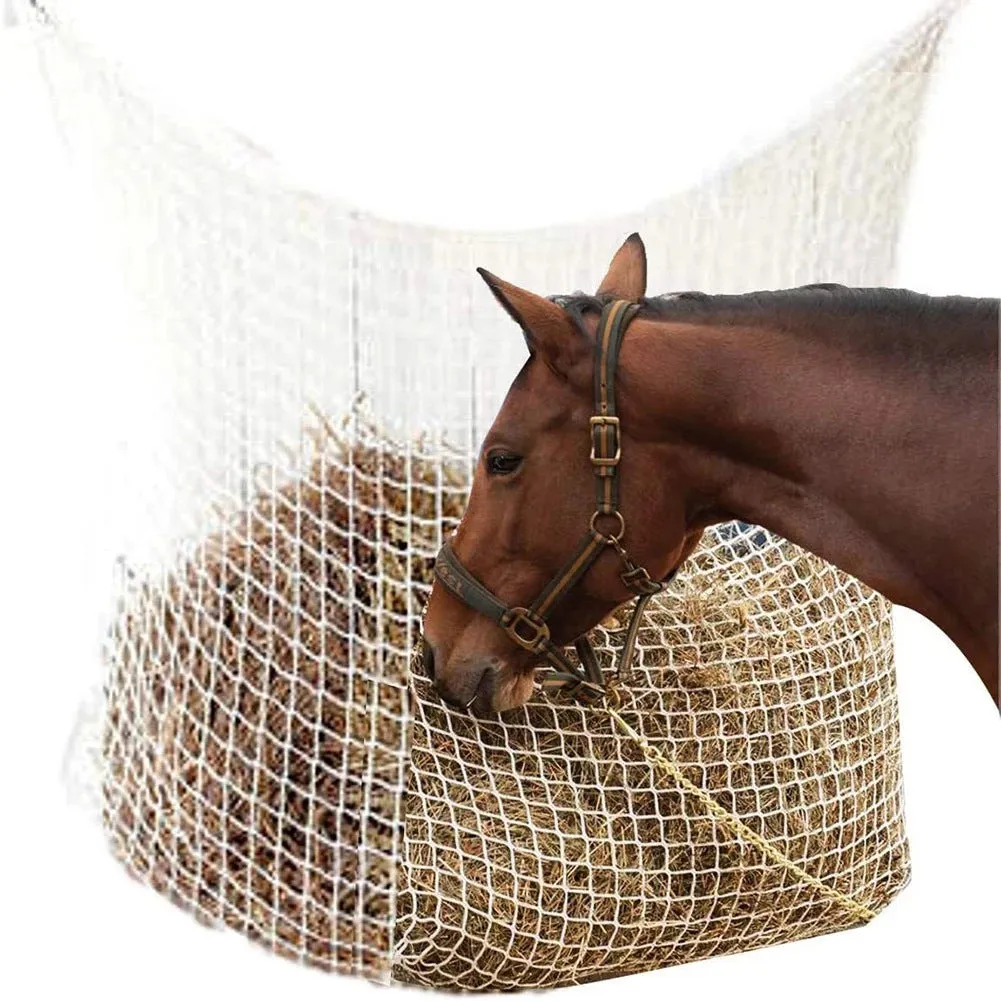
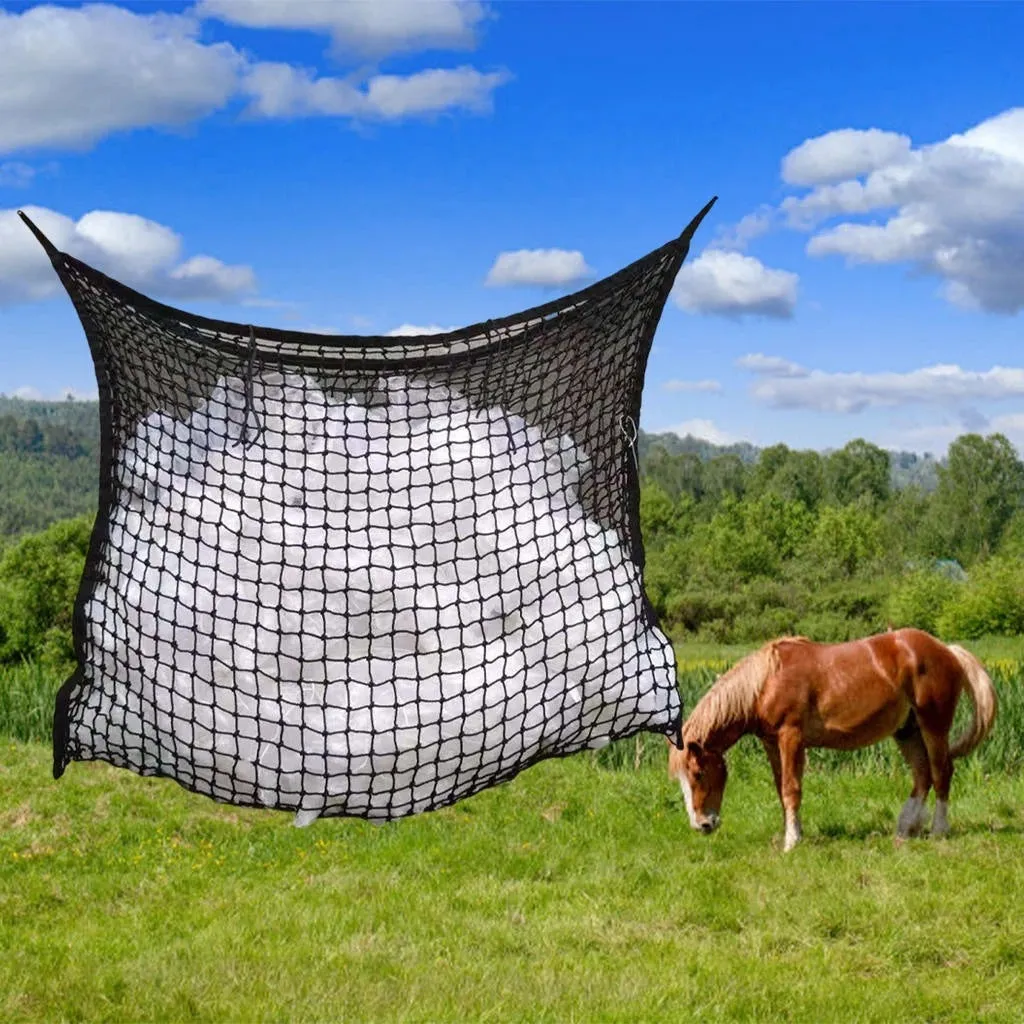
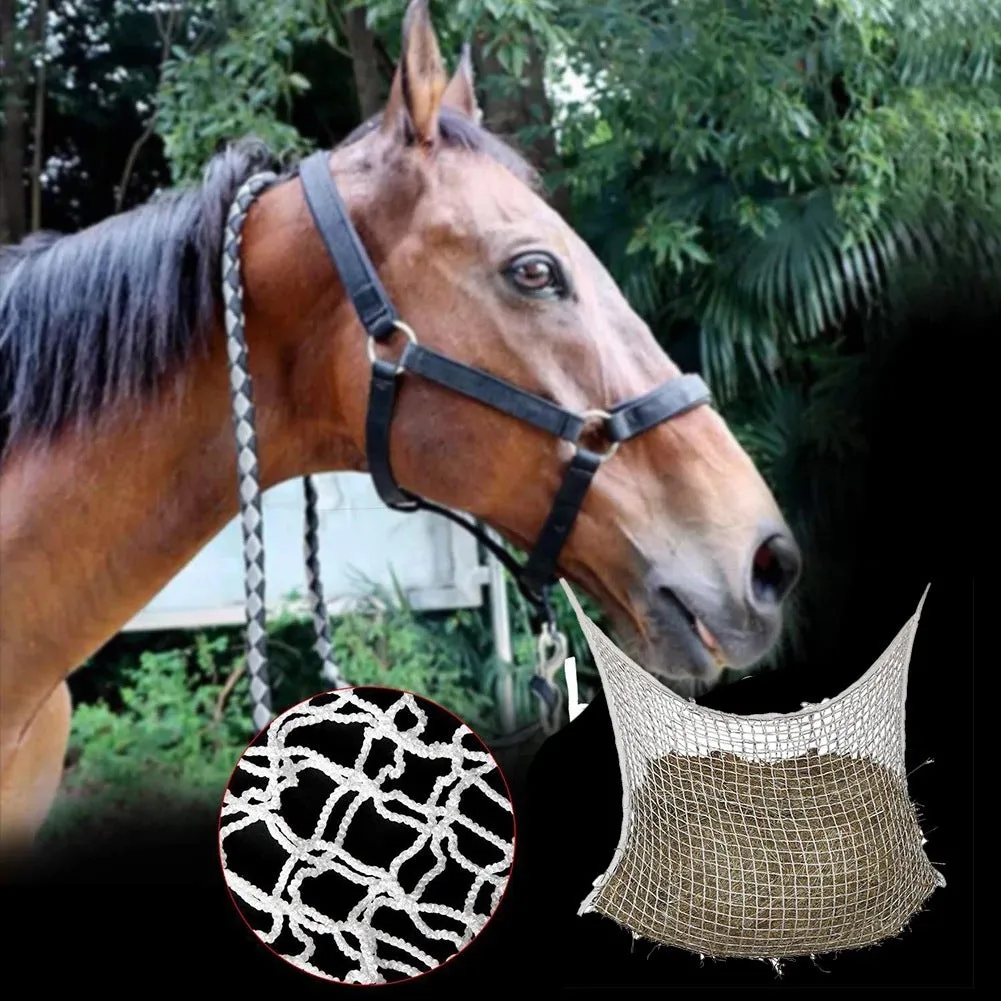
Weaving Grid Horse Hanging Feeding Bag made from woven PE rope, available in multiple sizes including 60x90 cm, 80x90 cm, 120x90 cm, and 160x100 cm, for cattle, horses, and sheep, supplied in black or white


Weaving Grid Horse Hanging Feeding Bag made from woven PE rope, available in multiple sizes including 60x90 cm, 80x90 cm, 120x90 cm, and 160x100 cm, for cattle, horses, and sheep, supplied in black or white
Woven Grid Hanging Feeding Bag in Multiple Sizes for Cattle, Horses, and Sheep
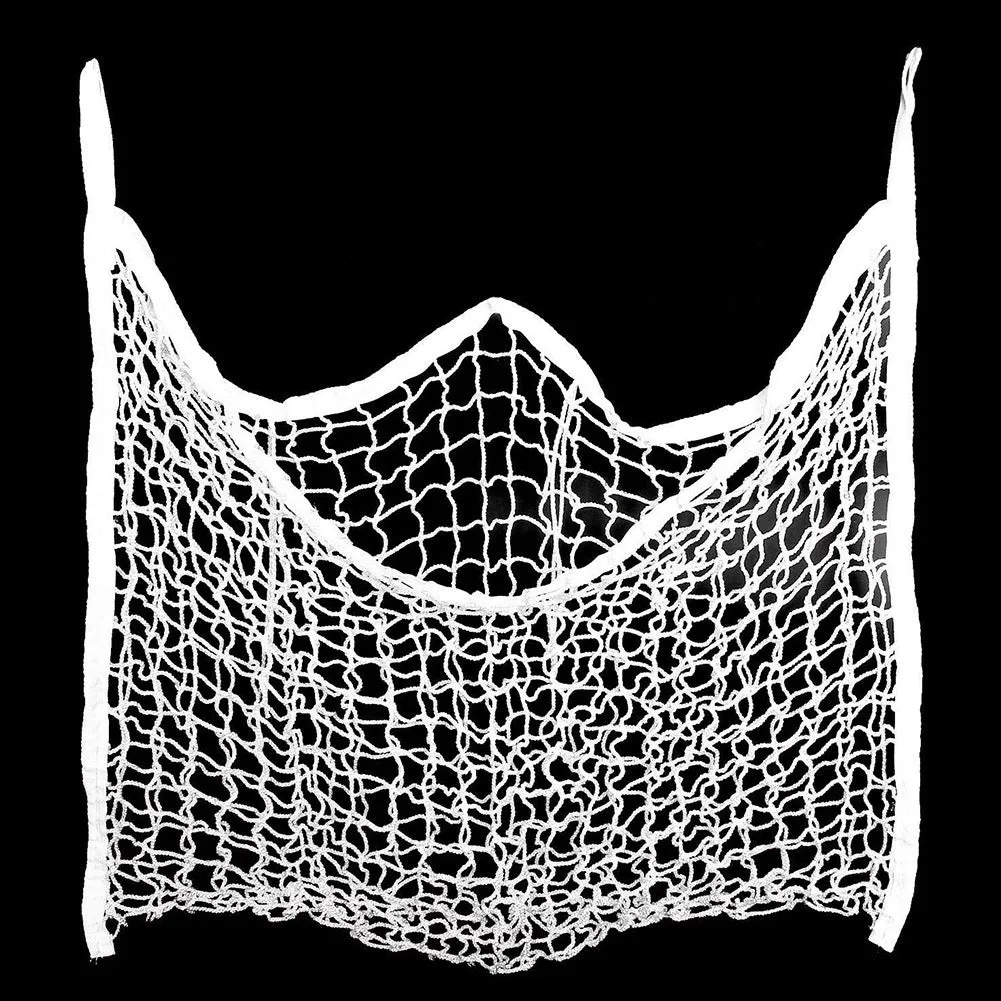
This hanging feeding bag offers a straightforward and effective method for managing feed for larger livestock such as cattle, horses, and sheep. Its woven grid construction, made from PE rope, creates a secure yet breathable container that helps minimise feed spillage and waste. Available in a practical range of four different sizes and two neutral colours, it provides a versatile option for various farm and stable setups where convenient, elevated feeding is required.
Features and Construction
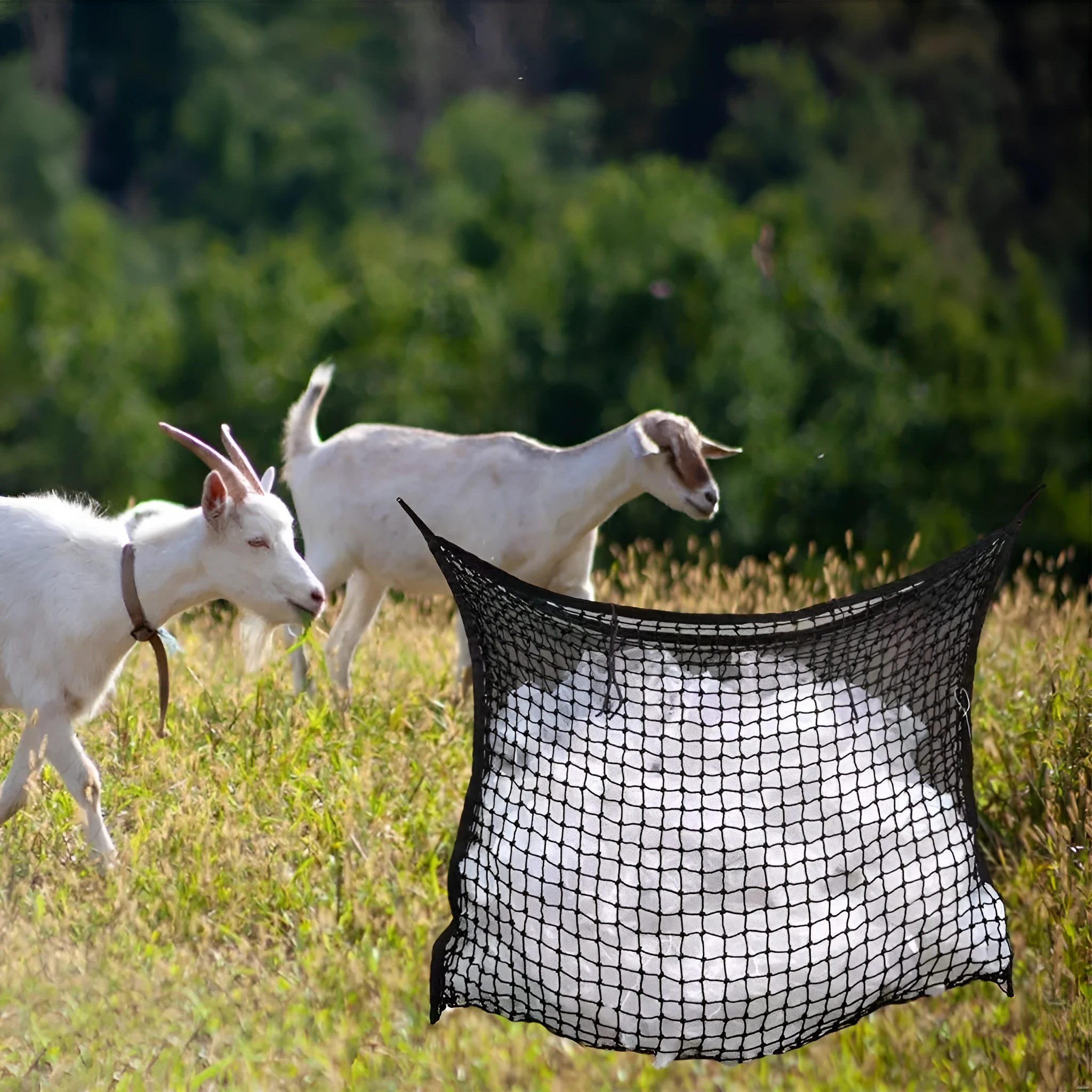
The bag's primary feature is its woven grid design, which defines its functionality and durability. This construction method impacts how the bag is used, maintained, and how well it suits different animals and feed types.
Material and Build
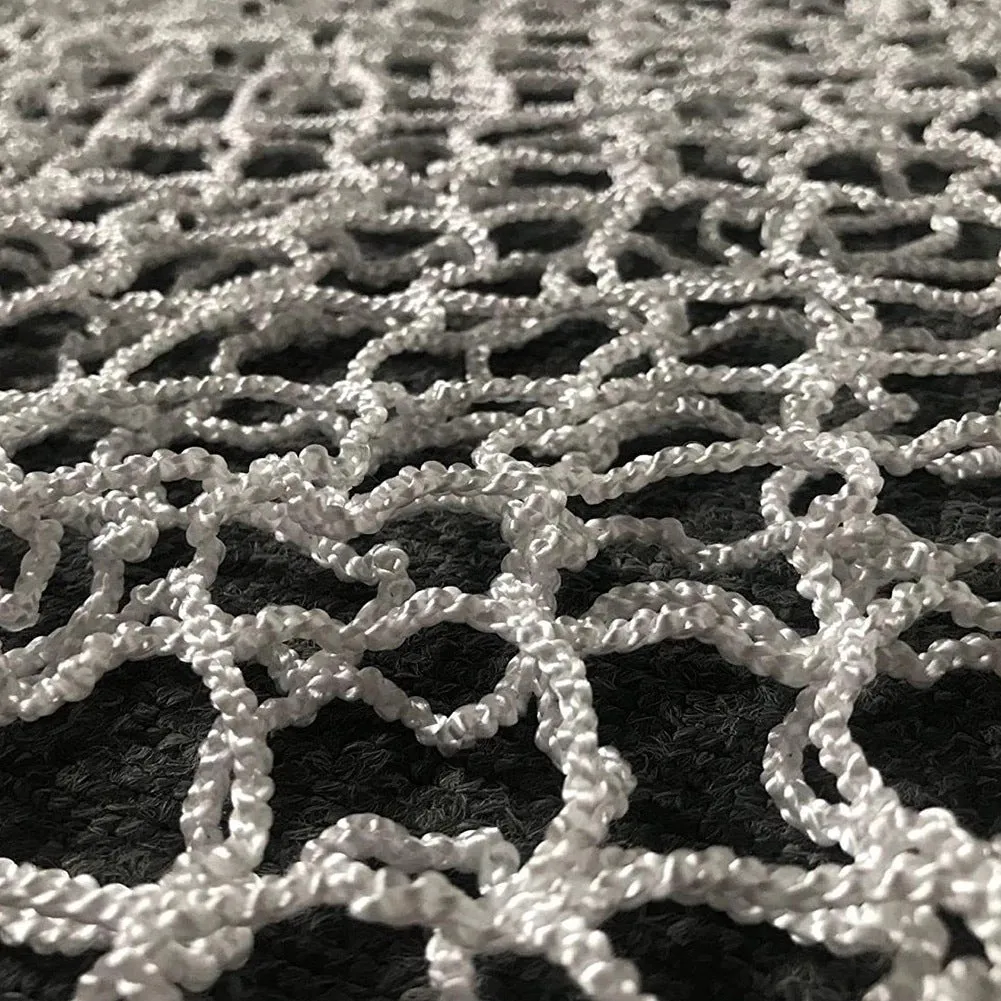
The bag is made entirely from woven polyethylene (PE) rope. This synthetic material is chosen for its inherent resistance to moisture, mildew, and general wear from outdoor conditions and animal interaction. The weaving process creates a consistent grid pattern with open spaces, which serves the dual purpose of containing bulk feed like hay while allowing for air circulation. This can help keep feed fresher and prevents the bag from holding water if used outside.
Size and Practical Fit
To accommodate different animals and feeding requirements, the bag is offered in four distinct rectangular sizes: 60x90 cm, 80x90 cm, 120x90 cm, and 160x100 cm. The smaller 60x90 cm and 80x90 cm sizes may be suitable for individual sheep or smaller horses, while the larger 120x90 cm and 160x100 cm options are designed for cattle or for feeding multiple animals from a single point. The hanging design means the bag's footprint is flexible, allowing it to be mounted on fences, stall walls, or posts.
Uses and Placement

Designed specifically for livestock, this bag's application is focused on making feeding routines more efficient and less messy. Its simple design supports both everyday use and more managed feeding scenarios.
Event or Professional Use
For equestrian centres, working farms, or agricultural shows, having a reliable and easy-to-clean feeding station is important. This bag can be hung in temporary stables, holding pens, or at showgrounds to provide animals with a familiar feeding method that reduces ground waste. The woven material is easy to shake out or rinse, making it suitable for rotating between different animals or locations with minimal maintenance between uses.
Everyday Home Use
For private stable owners or smallholders, the bag offers a tidy solution for daily feeding. It keeps hay off the ground, which is particularly useful in muddy conditions or for animals that tend to soil their feed. Hanging the bag at chest height for the animal can also promote a more natural feeding posture. The availability of sizes means you can select one appropriate for a single horse's stable or a larger one for a shared cattle pen.
Benefits and Buying Value

The value of this product lies in its simplicity, material suitability, and the practical problem it solves. It is a single-purpose tool designed to perform a specific task reliably over time.
Reuse and Low Maintenance
The PE rope construction is inherently easy to care for. It does not require special treatments or conditioning. After use, it can be emptied, and any loose debris can be shaken out. For a more thorough clean, it can be hosed down or wiped with a damp cloth and left to air dry, ready for reuse. This low-maintenance aspect contributes to its longevity and cost-effectiveness over time.
Why Choose This Product
This woven grid bag is a suitable choice if you need a no-fuss, durable feeding container for cattle, horses, or sheep. Its key differentiators are the specific woven PE rope material, which is resilient, and the clear choice of four functional sizes. When selecting, consider the primary animal and typical feed volume to choose the most appropriate size—smaller for sheep or ponies, larger for cattle or group feeding—and select either black or white based on preference.