Ceramic brightness stone glossiness tester portable gloss meter CS-300 CS-300S CS-380 models with single angle 60° or triple angle 20°/60°/85° measurement for paint, plastic, and ceramic surface finish quality control


Ceramic brightness stone glossiness tester portable gloss meter CS-300 CS-300S CS-380 models with single angle 60° or triple angle 20°/60°/85° measurement for paint, plastic, and ceramic surface finish quality control
Ceramic brightness stone portable glossiness tester with CS-300 CS-300S CS-380 model options for surface finish measurement
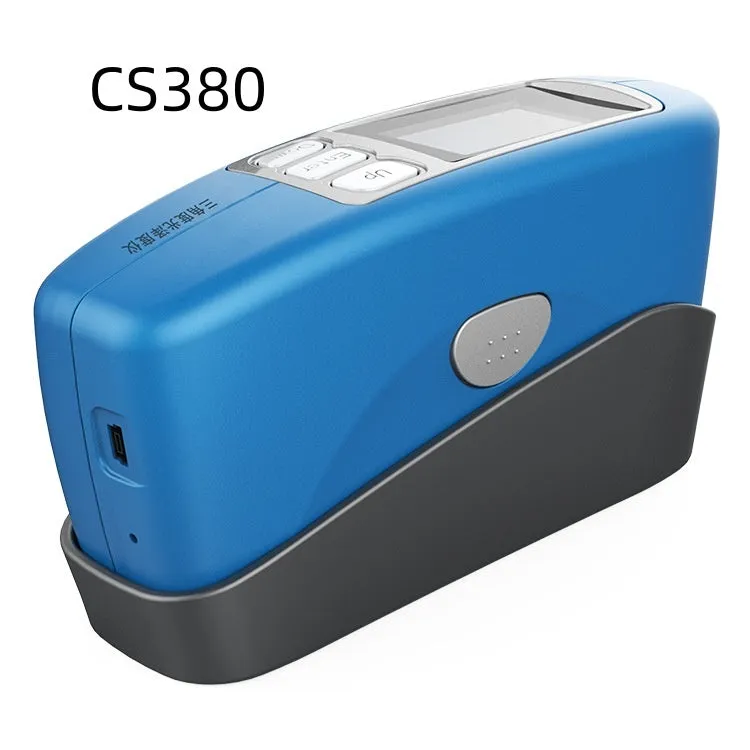
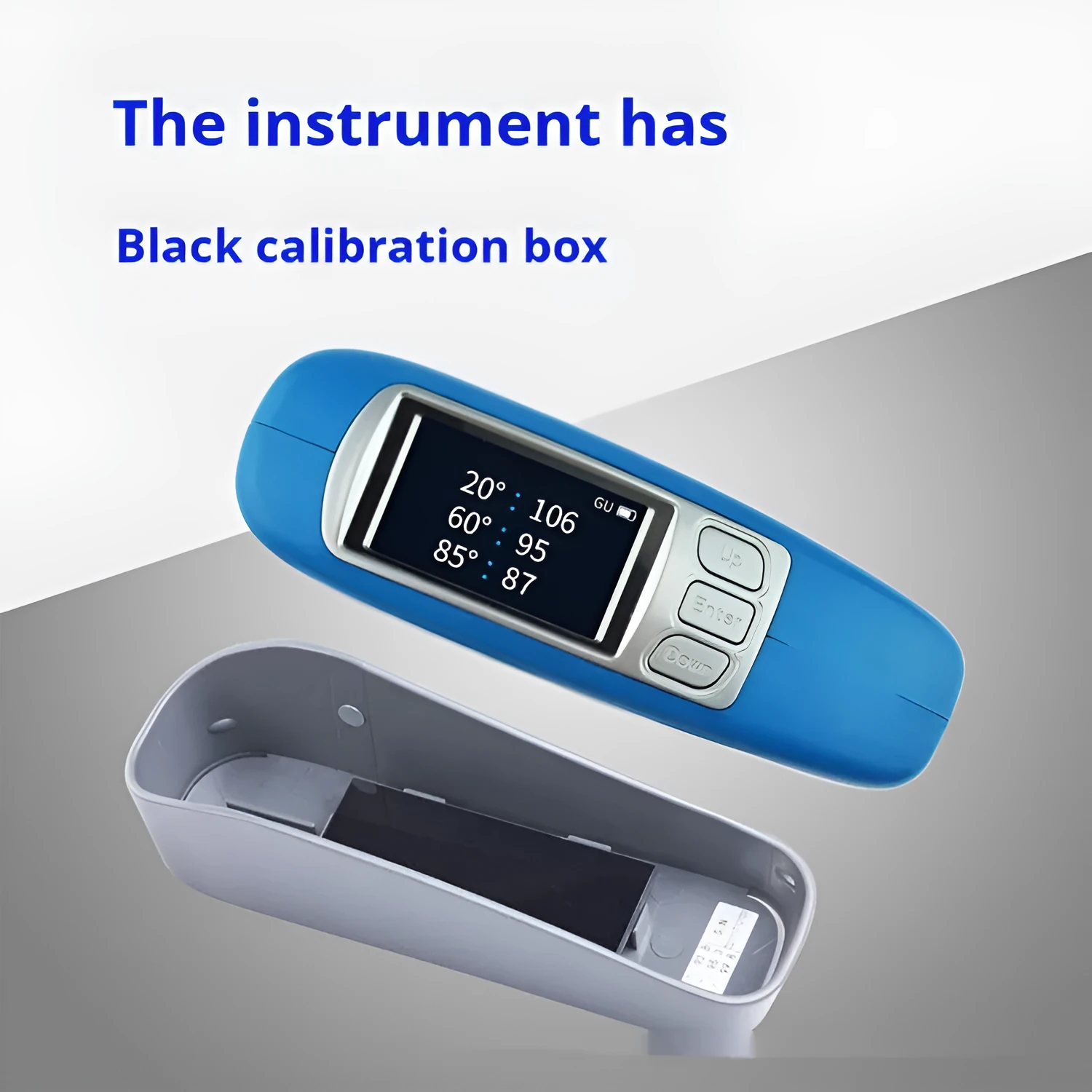
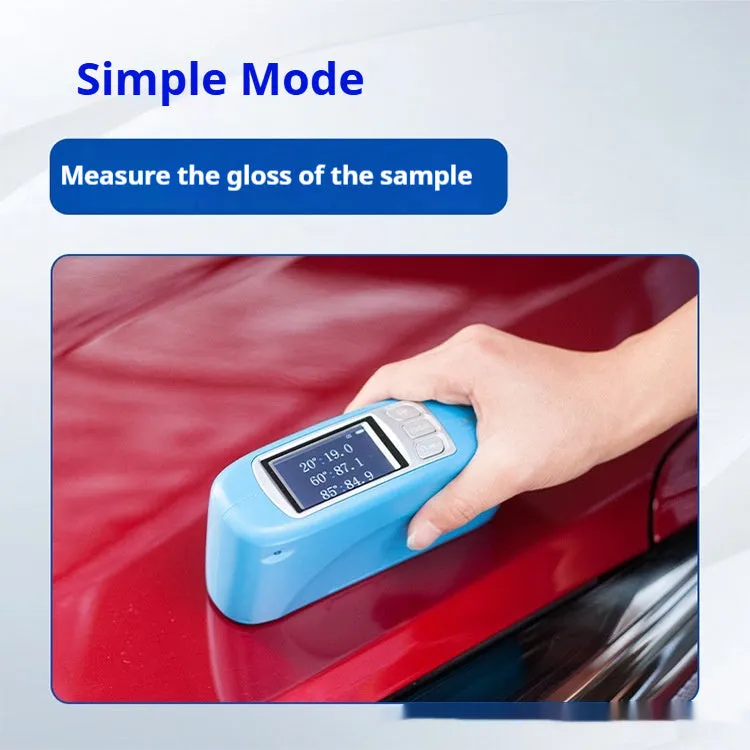
This portable gloss meter, referred to as a ceramic brightness stone glossiness tester, is designed for assessing the surface finish quality of various materials. It serves as a practical tool for professionals needing to verify gloss levels on-site, eliminating the dependency on fixed laboratory equipment. The device is offered in three distinct model variations – CS-300, CS-300S, and CS-380 – each configured with different measurement angles to accommodate specific industry standards and material types, from paints and plastics to ceramics.
Features and Construction

The core function of this instrument is to provide quantitative gloss measurement data. Its portable design facilitates use in diverse locations, from factory floors to finished product inspection areas. The construction focuses on delivering reliable angle-specific gloss readings essential for quality control protocols.
Material and Build
The product title indicates its application for measuring ceramic brightness stone glossiness, suggesting the sensor and housing are built to handle measurements on hard, glossy surfaces. The mention of paint and plastic in the context of its use confirms its design for versatile material application. The build prioritises a form factor suitable for handheld operation during portable quality checks.
Size and Practical Fit
While overall product dimensions are not specified, the design is described as 'portable', indicating a compact and handheld form factor. A key specified dimension is the 23mm aperture on the microporous measurement head of the CS-300S model, which is designed for taking measurements on smaller or curved surfaces where a standard measurement head might not fit correctly.
Uses and Placement

This gloss tester finds its primary use in environments where surface finish consistency and quality are critical. It provides an objective numerical value for gloss, replacing subjective visual assessments.
Event or Professional Use
In professional settings, such as manufacturing quality control labs, paint shops, plastic moulding facilities, and ceramic production lines, this device is used for batch testing, incoming material inspection, and final product verification. The different angle models allow adherence to specific test standards; for instance, 60 degrees is a common general-purpose angle, while 20 degrees is used for high-gloss surfaces and 85 degrees for low-gloss or matte finishes.
Everyday Home Use
While primarily a professional instrument, it could be utilised by serious hobbyists or craftspeople working with paints, resins, or ceramics who require consistent, measurable results for their projects, ensuring a uniform finish across different batches or components.
Benefits and Buying Value

The value of this product lies in its ability to provide standardised, portable measurement, reducing guesswork in surface quality assessment.
Reuse and Low Maintenance
As a durable measurement instrument, it is designed for repeated use over time. Low maintenance typically involves keeping the measurement aperture and calibration tiles clean and ensuring the device is stored in its protective case when not in use to prevent damage to the optical lens.
Why Choose This Product
The key decision factor is the choice between the three models based on required measurement angles. The CS-300 offers a standard single 60-degree angle. The CS-300S provides the same 60-degree angle but with a specialised 23mm microporous head for challenging surfaces. The CS-380 is the most versatile, offering three angles (20°, 60°, 85°) in one unit, suitable for a wider range of materials from high-gloss to matte finishes.